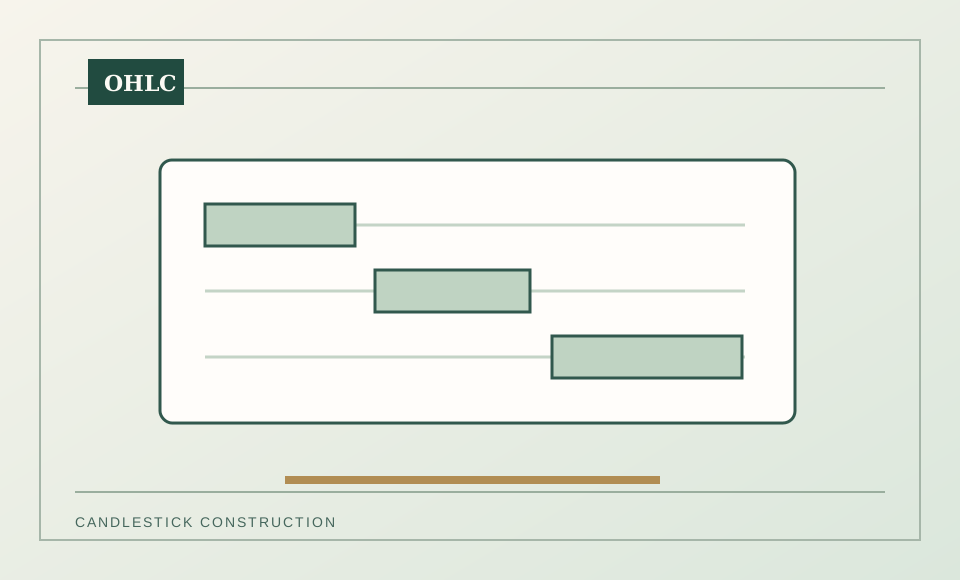
Candlesticks summarize open, high, low and close for one interval. Pattern names can aid communication, but the interval and broader auction context matter more than a single shape.
The underlying mechanism
The body captures the difference between open and close; wicks show the price range beyond that body. The same candle can emerge from very different flows and can appear different if a data feed uses a different session cutoff.
A candlestick encodes the opening, highest, lowest and closing observations in one specified interval. Its information content depends on the price series and venue: a broker’s bid candles can differ from another provider’s midpoint or executed trade history.
How to evaluate it in practice
Define any pattern in measurable terms and record its location relative to prior ranges, volatility and known events. Compare outcomes with a simple baseline before attributing an edge to the pattern name.
To interpret a candle, first establish its timeframe and quote source, then separate the information already contained in the four prices from a story about buyer psychology. A long wick can result from a brief quote excursion, not necessarily a lasting imbalance.
Common mistakes and limits
One attractive reversal candle is weak evidence. Selective screenshots, unadjusted transaction costs and vague pattern definitions make a method impossible to assess objectively.
A visual formation does not indicate that an order will fill at the displayed extreme. The SEC order-type guide distinguishes displayed and executed prices. Transaction costs and data provenance are essential when backtesting candlestick rules.
An exercise for careful readers
Write an unambiguous definition of one candlestick setup, then tag the next fifty occurrences sequentially, including non-events and losing examples.
Define one candlestick pattern in plain mathematical terms before opening a chart. Count every occurrence across a documented dataset, including the failures, then compare the result with a simple baseline and fees.
Continue your research
Explore the related topic hub, the risk warning and our editorial standards for additional context. External primary-source references appear below this article.