Foreign exchange is a decentralized global market. Activity shifts among financial centers across the day, with liquidity and volatility patterns that can change by instrument, season and event.
The underlying mechanism
The familiar Asia, Europe and North America sessions describe trading-center activity rather than one exchange opening bell. Session overlaps can bring deeper participation, but specific conditions depend on the pair and current events. Daylight-saving changes complicate fixed local-time charts.
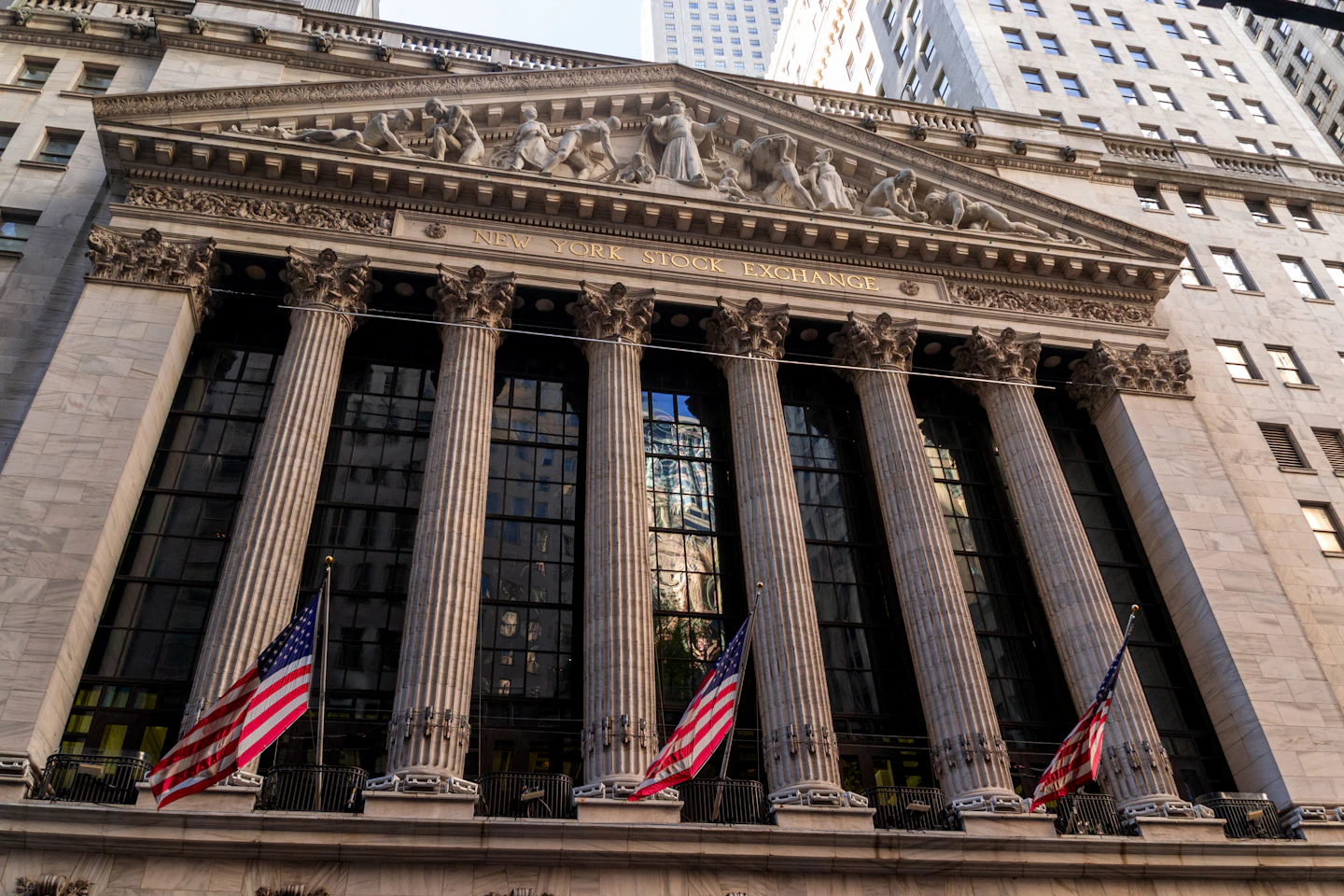
Foreign-exchange activity follows the working days of different financial centres, but OTC trading has no worldwide exchange bell. The BIS survey locates large FX dealing operations across London, New York, Singapore and Hong Kong. A bank’s published business hours and a retail dealer’s quote availability are not interchangeable.
How to evaluate it in practice
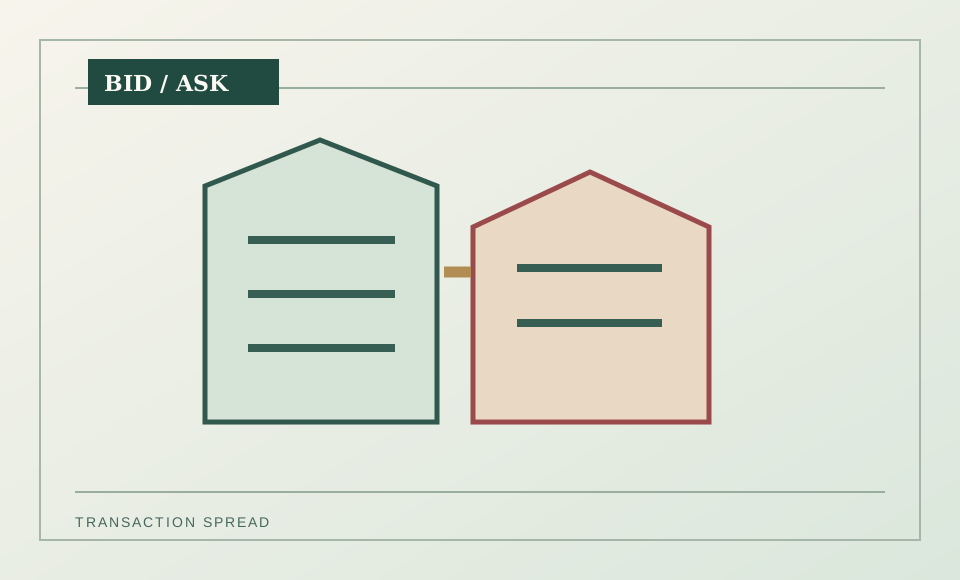
Use a time-zone-aware calendar when planning around London, New York and Tokyo. Record not only volatility but observed bid-ask spreads and execution quality during each period. Some minor pairs may be less liquid outside their regional business hours.
To compare sessions responsibly, convert release times using actual named time zones rather than applying a fixed UTC offset year-round. London and New York shift daylight-saving rules on different dates. Record both the quote timestamp and the currency pair because even widely traded pairs can have variable spreads around market handovers and holidays.
Common mistakes and limits
Calling one session universally best ignores strategy objectives, instruments and transaction costs. A time that produces large candles may also carry wider spreads and unpredictable slippage.
An illustrated overlap is not evidence that execution quality improves every day. During sudden releases, institutional activity may increase while executable retail spreads widen. Check your own dealer’s timestamped bid–ask prices and whether weekend positions face a different open.
An exercise for careful readers
Annotate one week of hourly price charts with local session transitions and published release times. Compare behavior without assuming the patterns guarantee future results.
Build a dated schedule for the next central-bank announcement using the Fed’s official calendar, then mark the event time in both local time zones. Do not assume that a policy meeting guarantees a same-day result or trade.
Continue your research
Explore the related topic hub, the risk warning and our editorial standards for additional context. External primary-source references appear below this article.